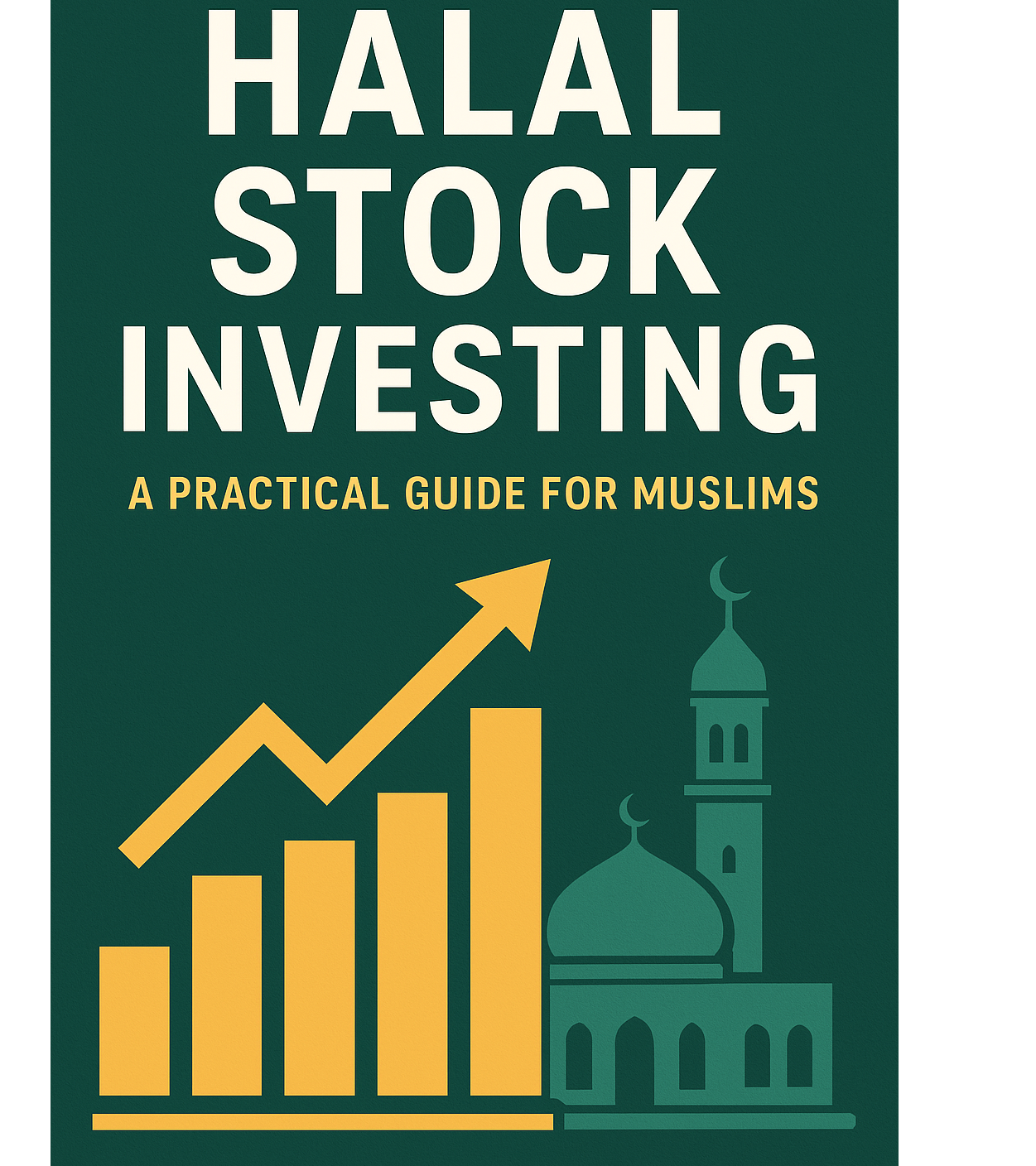
Halal investing refers to investing in a way that complies with Islamic (Shariah) law. It focuses on ethical, socially responsible financial activities and avoids income from prohibited (haram) sources.
Key principles of halal investing include:
Prohibition of interest (riba): Investments must not involve earning or paying interest, so conventional bonds and interest-based loans are excluded.
Avoidance of haram industries: Companies involved in alcohol, gambling, pork, tobacco, adult entertainment, weapons, or conventional financial services are not allowed.
Risk-sharing, not speculation: Excessive uncertainty (gharar) and gambling-like speculation (maysir) are prohibited.
Asset-backed investing: Investments should be linked to real economic activity, such as businesses, assets, or trade.
Ethical conduct: Businesses should operate fairly, transparently, and responsibly.
Common halal investment options include Shariah-compliant stocks, Islamic mutual funds and ETFs, Sukuk (Islamic bonds), real estate, and profit-sharing ventures like Musharakah and Mudarabah.
Overall, halal investing aims to grow wealth while aligning financial decisions with Islamic ethical and moral values.

 Safe and secure payments using Abraa safe trade systems
  \
\