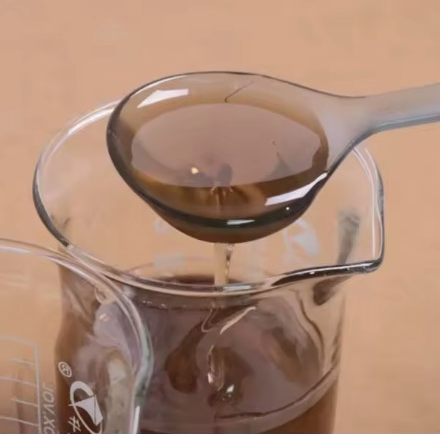
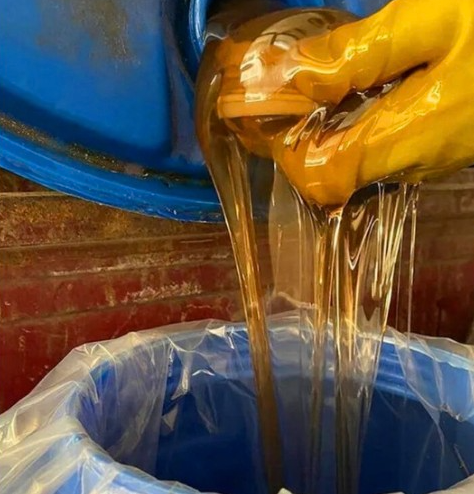
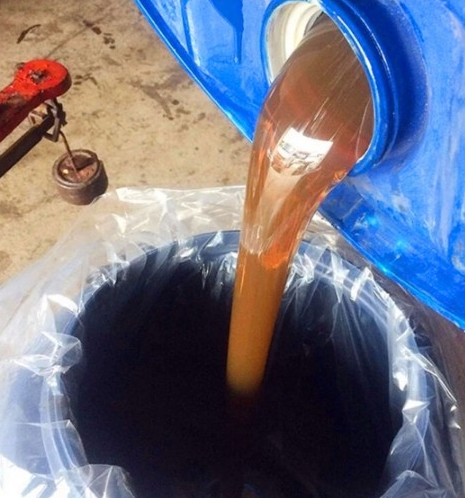
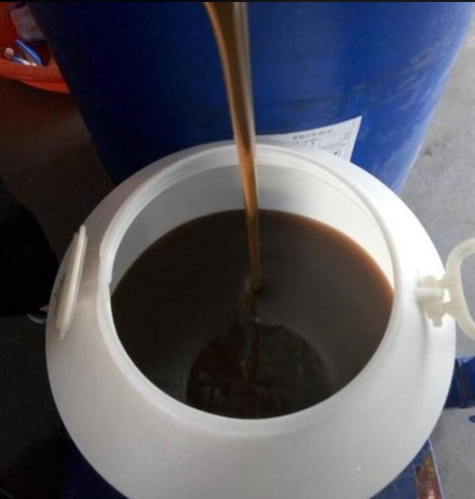
Industrial-Grade 96% LABSA Chemicals Daily Chemical Detergents Liquid From China Containing Stearic & Sulfonic Acid
Kullanılabilirlik: depoda
Trade with confidence on Abraa
Abraa güvenli ticaret sistemlerini kullanarak güvenli ve emniyetli ödemeler
Supplier verification not completed
Pay only through Abraa to stay protected. Never pay a supplier by direct transfer.
Secure Payment
Pay through Abraa, never by direct transfer to a supplier.
Product Inspection
Book a check before shipping to confirm quality and quantity.
Alıcı Koruması
Get support and refunds if goods arrive not as described.
Verified Suppliers
Licence, address and on-site checks by the Abraa team.
Ürün Özellikleri
| 96% LABSA | |
| Liquid | |
| 2030 |
Product Descriptions
Key attributes
CAS No.27176-87-0Purity96%Place of OriginChinaAppearanceLiquidApplicationDetergent raw materials and buildersOther NamesLABSA
LABSA (Linear Alkylbenzene Sulfonic Acid)The Core Surfactant for High-Efficiency Detergent Formulations1. The Surfactant Powerhouse: Structure and FunctionLABSA is a anionic surfactant with a linear alkyl chain and sulfonic acid group (-SO3H), recognized as the "core raw material" for detergent production. Its molecular structure enables strong oil emulsification, dirt dispersion, and foam stabilization—three key properties that make it the foundation of liquid detergents, laundry powders, and industrial cleaners. Global LABSA consumption reached 4.2 million tons in 2024, with a projected CAGR of 4.2% to hit 5.8 million tons by 2032, driven by rising demand for household and industrial cleaning products.
Surfactant Performance Matrix
| Property | Chemical Mechanism | Cleaning Impact | Deficiency in Low-Quality LABSA |
|---|---|---|---|
| Detergency | Alkyl chain penetrates oil; sulfonate group dissolves in water | Removes oil, grease, and particulate dirt | Poor oil emulsification; residual stains |
| Foam Stability | Sulfonic acid groups form hydrogen bonds with water molecules | Sustained foam for uniform cleaning | Weak foam; rapid collapse during washing |
| Compatibility | Neutralizes with alkalis (e.g., NaOH) to form stable salts | Blends with enzymes, builders, and fragrances | Precipitation with other ingredients |
2. Production Processes and Technical SpecificationsLABSA is primarily produced via sulfonation—a reaction between linear alkylbenzene (LAB) and sulfur trioxide (SO3) or oleum. Two mainstream processes dominate:
- Continuous sulfonation: Uses a falling-film reactor to mix LAB and SO3 in a closed system, ensuring precise control of temperature and reaction time.
- Batch sulfonation: Conducts reactions in a stirred tank, suitable for small-scale production with flexible raw material adjustments.
Production Process Comparison
| Process Type | Key Equipment | Advantages |
|---|---|---|
| Continuous Sulfonation | Falling-film reactor | High purity (≥96%), low by-products |
| Batch Sulfonation | Stirred tank reactor | Low initial investment, flexible production |
Technical Parameters by Grade
| Indicator | Premium Grade | Standard Grade | Industrial Grade |
|---|---|---|---|
| Active Content (%) | ≥97 | ≥96 | ≥90 |
| Free Oil (%) | ≤0.5 | ≤1.0 | ≤2.0 |
| Sulfuric Acid (%) | ≤0.3 | ≤0.5 | ≤1.0 |
| Color (APHA) | ≤50 | ≤100 | ≤200 |
| pH (1% Aqueous Solution) | 1.0–2.0 | 1.0–2.0 | 1.0–3.0 |
3. Application Landscape and Market TrendsLABSA is the backbone of the detergent industry, with household detergents (laundry powder, liquid soap) accounting for 63% of demand, followed by industrial cleaning (food processing, metal cleaning) at 22% and agricultural adjuvants (pesticide emulsifiers) at 15%. Asia-Pacific leads consumption with 58% market share, driven by China and Southeast Asia’s growing middle class.Application-Specific Recommendations
| End Product | Optimal LABSA Content (%) | Key Performance Requirement | Cost-Efficiency Benefit |
|---|---|---|---|
| Liquid Laundry Detergent | 10–15 | Low irritation, stable foam | Reduces total surfactant dosage by 15% |
| Laundry Powder | 8–12 | High solubility in cold water | Improves dirt suspension by 20% |
| Industrial Degreaser | 15–20 | Resistance to hard water | Lowers cleaning time by 25% |
4. Quality Control and CertificationLABSA quality is governed by international and regional standards, with core testing focusing on active content, free oil, and impurity levels. Key certifications include:
- ISO 8020: Global standard for surfactant
- purity and performance.
- REACH Compliance: Ensures no harmful substances for EU markets.
- China GB/T 15963: Specifies thresholds for free oil and sulfuric acid in domestic LABSA.
5. Innovation and Sustainable DevelopmentModern LABSA production is shifting toward green chemistry:
- Bio-based LAB: Derived from plant oils (e.g., palm kernel oil) instead of petroleum, reducing carbon footprint by 30%.
- Low-emission sulfonation: Uses recycled SO2 to generate SO3, cutting greenhouse gas emissions by 40%.
- Concentrated formulations: High-purity LABSA (≥97%) enables 20% less dosage in detergents, lowering packaging waste.
 \
\
